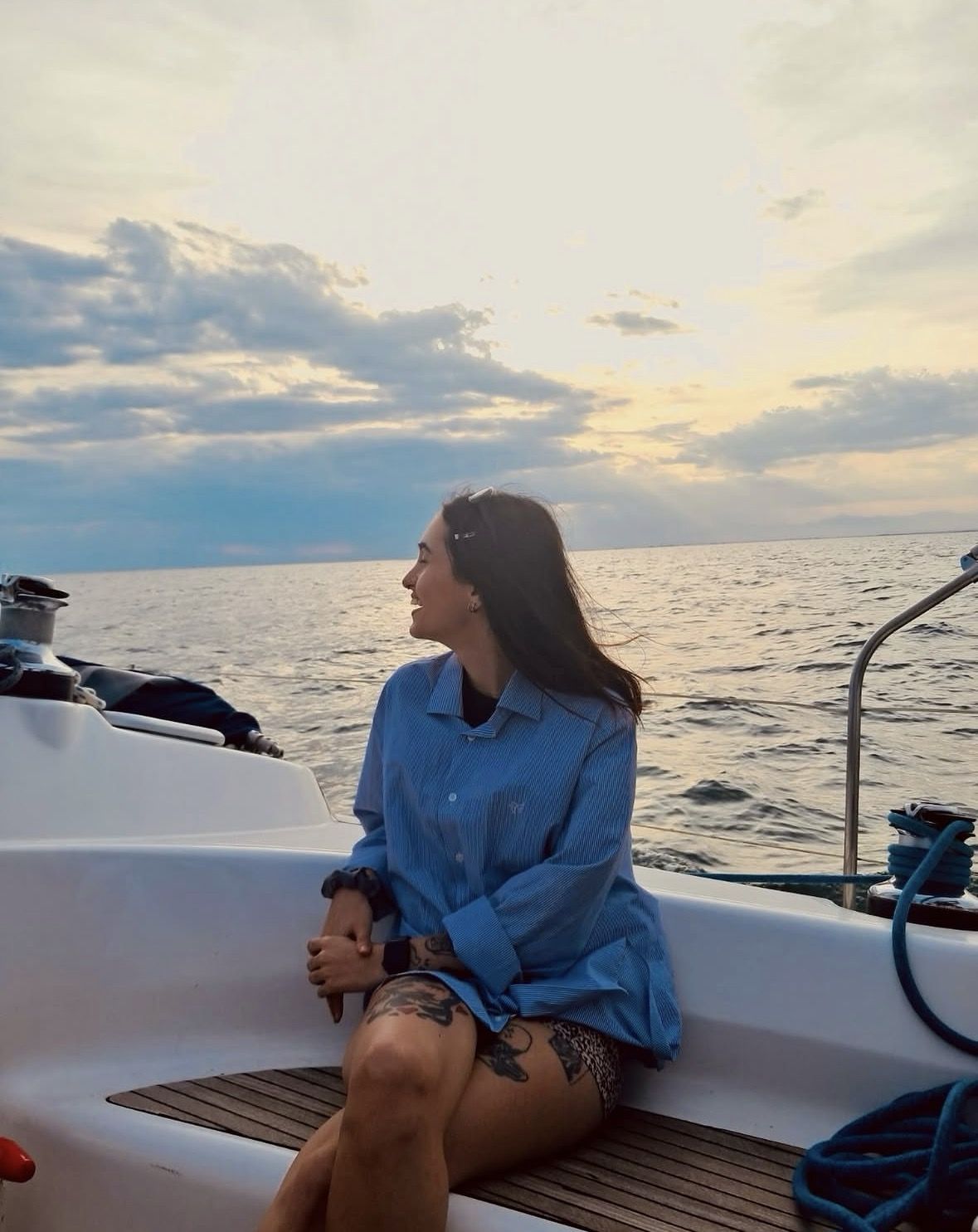
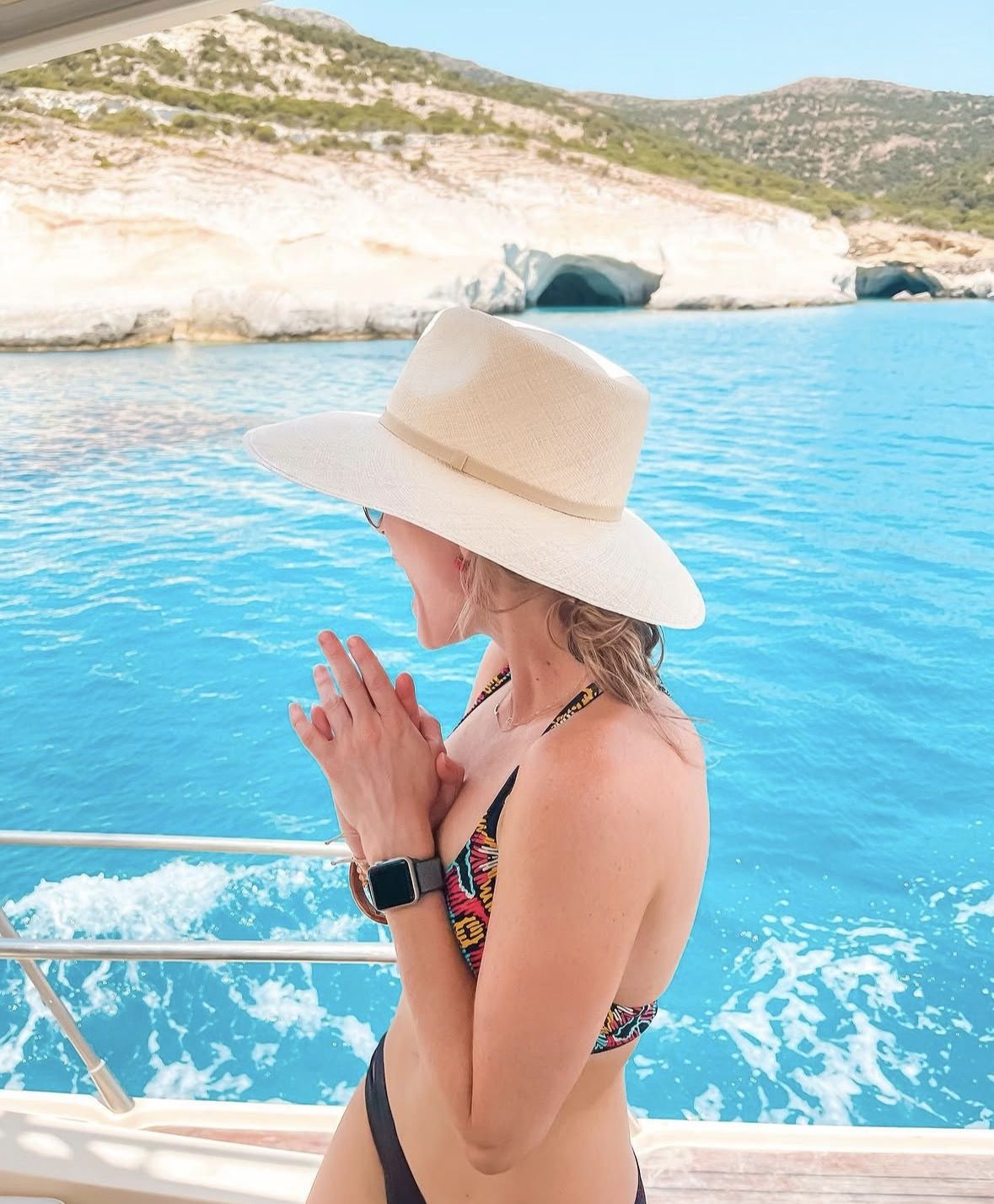
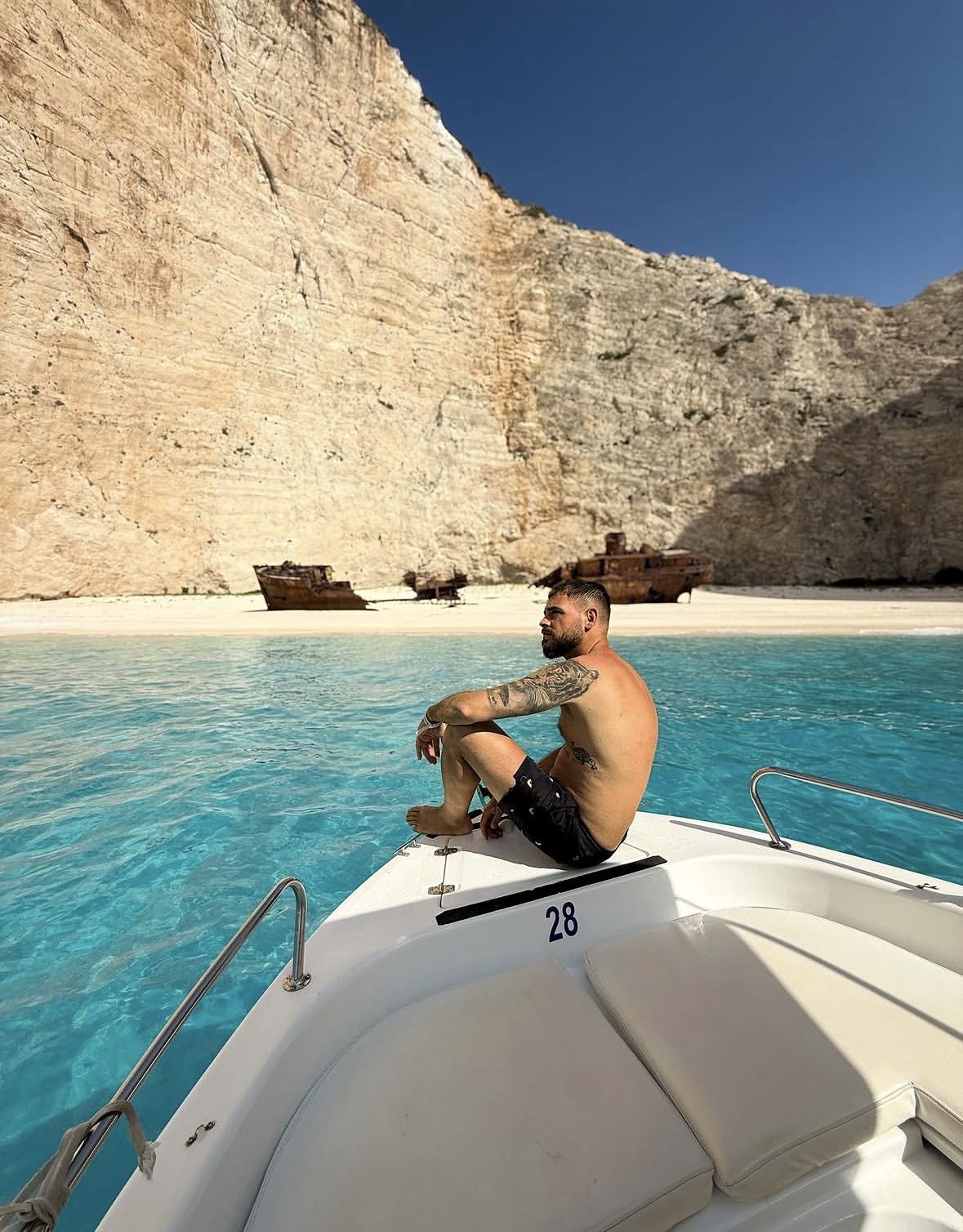
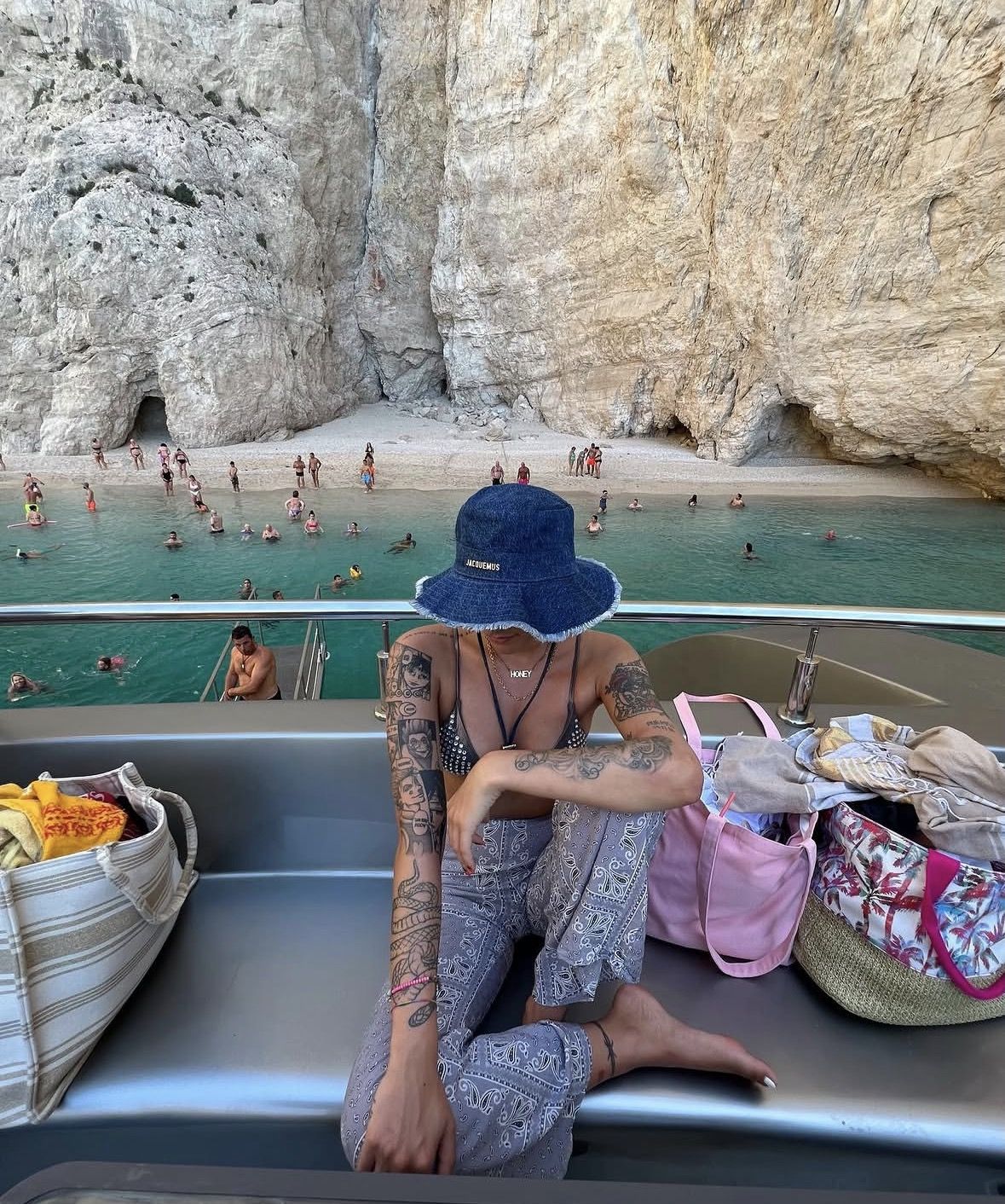
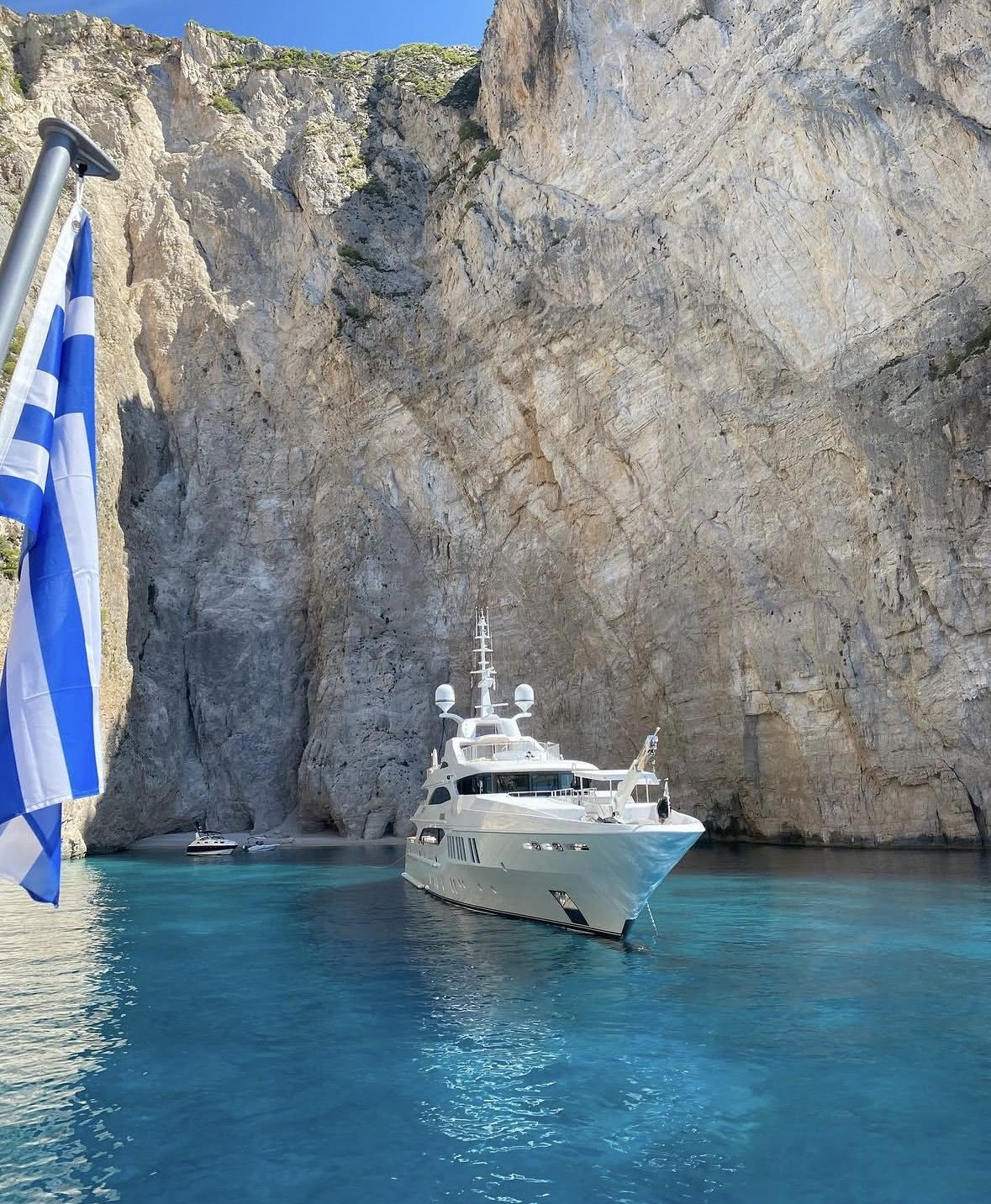
A raw, otherworldly island sculpted by ancient volcanoes and washed by impossibly turquoise Aegean waters. From hidden sea caves to pastel-painted fishing villages, this Cycladic gem rewards every traveller who ventures here.
Featured Tour
The Milos: Half-Day Speedboat Cruise to Kleftiko with snorkeling tour takes you to some of the most breathtaking and boat-only accessible corners of the island. Aboard Volcano — a powerful 15-metre Fabio Buzzi speedboat with 740 hp engines — you'll cover ground quickly, leaving more time for swimming, snorkeling, and soaking up the scenery. Two experienced diver crew members lead guided snorkeling sessions through Kleftiko's dramatic sea caves, making this cruise perfect for first-timers and seasoned swimmers alike. Whether you're drawn by the geology, the clarity of the water, or simply the thrill of the ride, this half-day adventure delivers it all.
About the Destination
Milos sits at the southwestern edge of the Cyclades, where volcanic geology has painted the landscape in extraordinary shades of white, ochre, red, and green. It is an island that genuinely defies expectations at every turn.
Milos is a volcanic island in the southwestern Cyclades, covering roughly 160 square kilometres and home to around 5,000 permanent residents. Its deeply indented coastline — one of the longest in the Cyclades relative to its size — shelters over 70 beaches, each shaped by millennia of volcanic and tectonic activity. The island's main port town of Adamas serves as the gateway, while the hilltop capital Plaka offers sweeping views across the Aegean. Despite growing popularity, it retains an authentic, unhurried character that larger Greek islands have long since lost.
Human presence on this island stretches back at least 8,000 years, making it one of the earliest settled spots in the Aegean. Its rich deposits of obsidian — a volcanic glass prized for tools and weapons — made it a crucial trading hub during the Bronze Age. The island rose to global fame in 1820 when a farmer unearthed the Venus de Milo, now one of the Louvre's most celebrated treasures. Ancient catacombs carved into the hillsides, dating from the 1st century AD, rank among the most important early Christian sites in Greece.
Visitors today find a destination that blends archaeological wonder with natural spectacle and relaxed Greek hospitality. Hiring a boat — whether a Milos private boat tour or a shared catamaran — remains the definitive visitor experience, unlocking sea caves, arches, and remote beaches that no road can reach. On land, the colourful fishermen's houses of Klima, the ancient theatre at Melos, and the labyrinthine streets of Plaka each reward slow, curious exploration. Fresh seafood, local cheese, and honey round out an experience that feels both timeless and deeply satisfying.
A local farmer named Yorgos Kentrotas unearthed the iconic marble statue in a field near the ancient city of Melos. It was gifted to France and has resided in the Louvre ever since, becoming one of antiquity's most recognisable works.
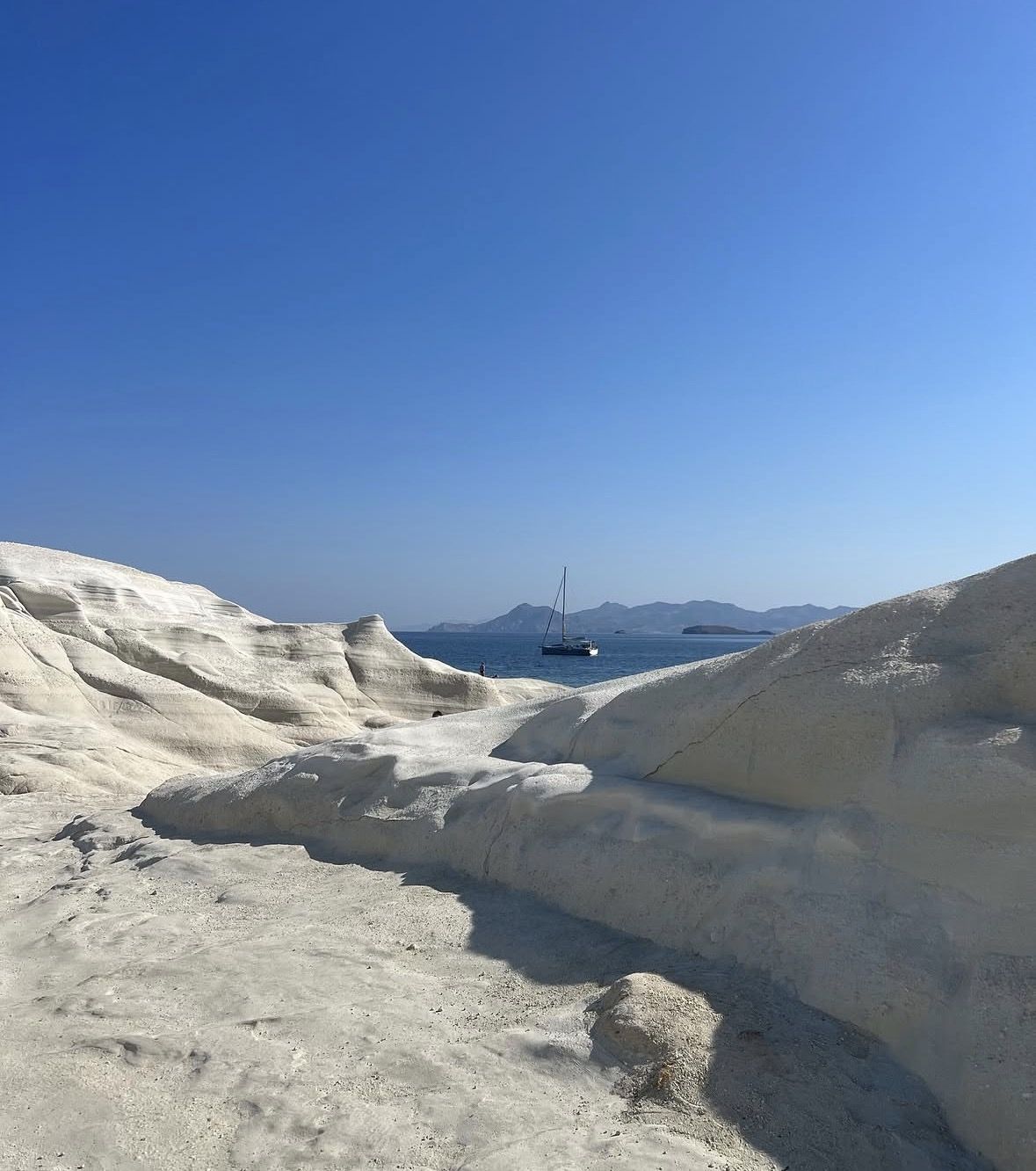
The island is the product of intense volcanic activity that began millions of years ago, creating its uniquely coloured rock formations and mineral-rich soils. This geology gives beaches like Sarakiniko and Paliochori their dramatic, moon-like appearance.
Prehistoric settlers recognised the island's obsidian deposits as one of the ancient world's most valuable commodities. Milos obsidian has been found at archaeological sites across the entire Aegean, confirming its role as a Bronze Age trade powerhouse.
Carved into the soft volcanic rock of the hillside near Tripiti, these early Christian catacombs are among the oldest and best-preserved in the Greek world. They served as burial chambers for thousands and can still be visited today on guided tours.
Few islands of comparable size offer such astonishing beach diversity — from the white pumice moonscape of Sarakiniko to the sheltered turquoise bay of Firopotamos. Many of the most spectacular can only be reached by sea, making a sailing tour Milos visitors rave about utterly essential.
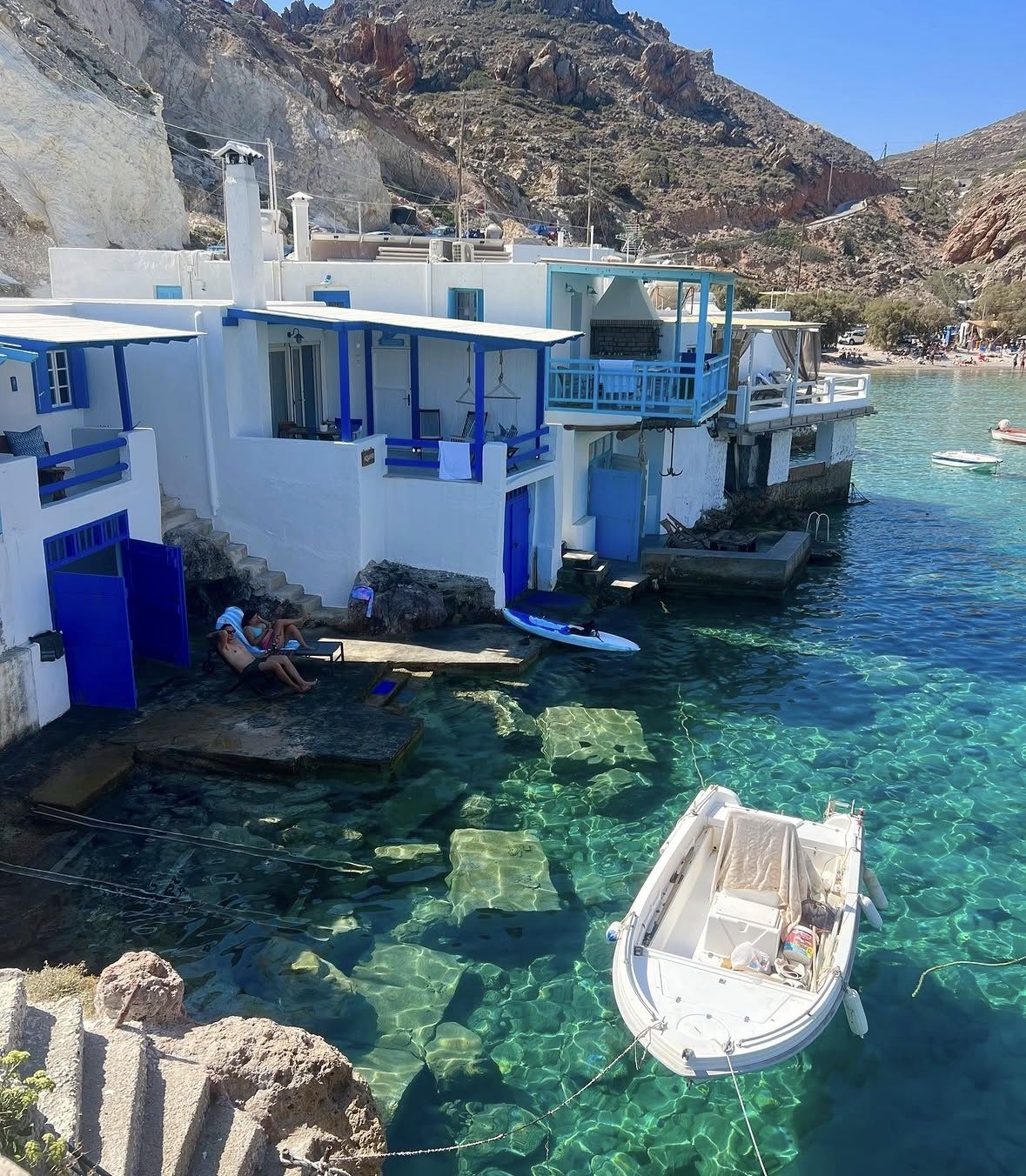
The iconic boat garages of Klima and Mandrakia — painted in vivid reds, yellows, and blues — are unique to this island and a favourite subject for photographers. Local fishermen still store their boats on the ground floor and live above, maintaining a tradition centuries old.
A Milos catamaran tour is the top activity on the island, and for good reason — the coastline simply cannot be fully experienced from land. Full-day shared or private departures visit Kleftiko, Sykia Cave, and multiple swimming stops with snorkelling equipment provided.
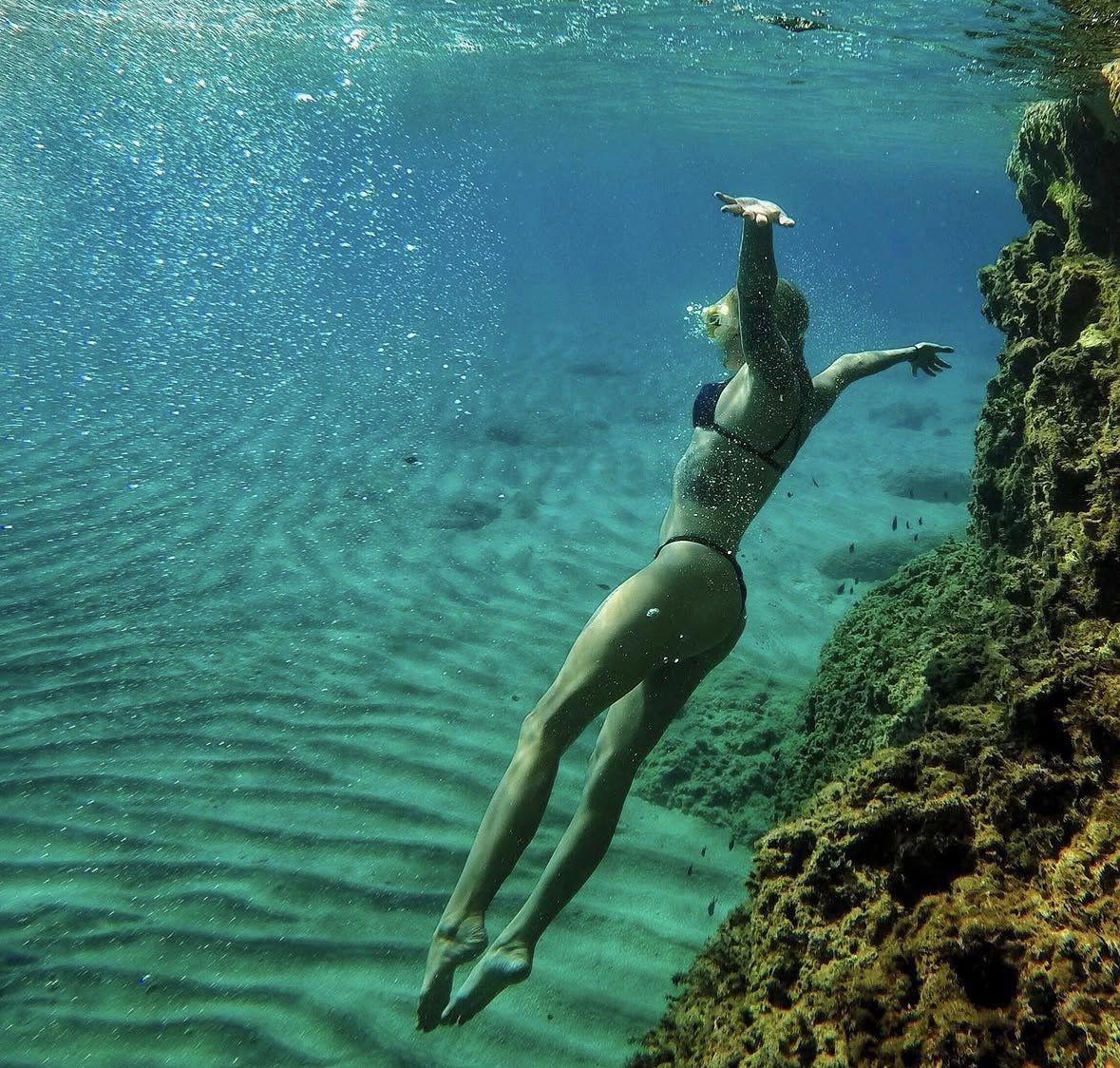
The island's clear, warm waters and volcanic sea floor create outstanding conditions for snorkellers of all skill levels. Hotspots like Kleftiko, Tsigrado, and Papafragas offer underwater rock formations, caves, and abundant marine life just beneath the surface.
A network of signposted trails links clifftop viewpoints, ancient sites, and traditional villages across the island's rugged interior. The route from Plaka to the ancient theatre and catacombs at Tripiti is a particular favourite for combining history with panoramic scenery.
The island packs an extraordinary amount of ancient history into a small area — the catacombs, the ancient theatre, the ruins of Melos, and the archaeological museum in Plaka all reward a half-day of dedicated exploration. Entry fees are low and crowds are manageable year-round.
The hilltop village of Plaka offers what many consider the finest Cycladic sunset view, with the entire island spread below in golden light. The lunar white landscape of Sarakiniko at sunrise or golden hour is equally spectacular and a favourite of photographers worldwide.
The island's food scene punches well above its weight — fresh catch tavernas in Adamas, local cheese (called ladotyri), sweet pastries, and excellent Greek wine are all easily found. Several producers offer informal tastings, and the weekly market in Adamas is a lively culinary event.
Weighing your Cycladic options? Here's how the island stacks up against comparable Greek island escapes.
Choosing between Greek islands can feel overwhelming — they share a similar culture and climate, yet differ dramatically in atmosphere, crowds, and scenery. Milos appeals most to travellers who crave dramatic natural landscapes, uncrowded beaches, and the freedom to explore by boat rather than bus. This comparison cuts through the noise, placing it side by side with Santorini, Naxos, and Folegandros so you can quickly judge which destination best suits your travel style and budget.
| Crowds | Price | Best For | What Sets It Apart | |
|---|---|---|---|---|
| ★ Milos | Moderate — growing but not overwhelming | Mid-range to premium | Nature lovers, boat tours, photographers | 70+ beaches, volcanic geology, sea caves by catamaran |
| Santorini | Very High — extremely crowded in summer | Premium to luxury | Honeymoons, sunset views, wine tourism | Iconic caldera views but heavily commercialised |
| Naxos | Moderate — popular with families | Budget to mid-range | Families, archaeology, long sandy beaches | Largest Cycladic island with lush interior villages |
| Folegandros | Low — deliberately quiet | Mid-range | Couples, slow travel, authentic escapes | Tiny, unspoilt, car-free village atmosphere |
Milos hits a sweet spot that few Cycladic rivals can match — more dramatic scenery and beach variety than Folegandros, far fewer crowds than Santorini, and a boat-tour culture that Naxos simply can't replicate. If volcanic coastlines, hidden sea caves, and authentic Greek island life are your priorities, this destination consistently outperforms the alternatives without demanding a luxury budget.
Travel Guide
Everything you need to plan a seamless, memorable trip to this extraordinary Greek island.
The island is served by Milos Airport (MLO), which operates direct seasonal flights from Athens (ATH) with Olympic Air and Sky Express — the flight takes approximately 45 minutes. International travellers typically connect through Athens International Airport (Eleftherios Venizelos). Alternatively, high-speed ferries depart from Piraeus port in Athens, with journey times ranging from 3.5 hours (fast ferry) to 7 hours (conventional ferry). Seasonal connections also run from Heraklion (Crete) and several other Cycladic islands.
Once on the island, a hire car or ATV is the most flexible way to explore independently, and rental agencies are plentiful in Adamas. A public bus network connects the main settlements — Adamas, Plaka, Pollonia, and Sarakiniko — on a reasonable schedule during summer. Taxis are available but limited; booking in advance is advisable during peak season. For coastal exploration, joining a Milos private boat tour or shared catamaran excursion is by far the most practical and rewarding option for reaching remote beaches.
The ideal window for visiting falls between late May and early October, when warm, sunny weather and calm seas make beach days and boat excursions consistently excellent. June and September are widely considered the sweet spot — warm enough for swimming (sea temperatures around 24–26°C), meaningfully quieter than the July–August peak, and with most restaurants and tours operating at full capacity. Shoulder-season visitors in May and October enjoy the landscape at its greenest and the tavernas at their most relaxed.
Summers are hot and dry, with July and August temperatures regularly reaching 30–33°C and the famous Meltemi wind providing welcome relief (though it can occasionally disrupt boat tours). Spring (April–May) brings wildflowers, cool temperatures, and very few tourists — perfect for hiking. Winters are mild by northern European standards (10–15°C) but many hotels and restaurants close from November to March. Rainfall is concentrated in the winter months; summers are almost entirely rain-free.
The island's rocky volcanic terrain and boat-heavy tourism style call for slightly more practical packing than a standard beach holiday. Good water shoes are essential — many beaches are pebbly or have sharp volcanic rock at the waterline, and they double perfectly for scrambling around cave entrances on boat tours. High-SPF sunscreen is non-negotiable; the Aegean sun reflects off white rock and water with surprising intensity. A light windproof layer is useful for evening ferry crossings and breezy cliff walks.
Casual, breathable clothing suits the island's laid-back atmosphere perfectly — linen and lightweight cotton are ideal for daytime exploration and evening dining. A dry bag or waterproof phone case is a smart investment if you're joining a sailing tour Milos operators run, as spray and splashing are inevitable. Modest cover-ups are appreciated when visiting churches or the catacombs. Pack a reusable water bottle, since tap water quality varies and buying single-use plastic bottles all week is both costly and environmentally taxing.
Book your boat tour well in advance — popular catamaran and private boat departures sell out weeks ahead during July and August. Equally important: reserve accommodation early, as quality rooms in Plaka and Pollonia fill fast. Eating lunch at a harbour-side taverna rather than a tourist-facing restaurant in Adamas will almost always yield better food at noticeably lower prices. Locals are warm and genuinely proud of their island; even a basic 'kalimera' (good morning) goes a long way in earning a friendly response.
Cash is still king at smaller tavernas, beach kiosks, and market stalls, so carry euros and don't rely solely on cards. The archaeological museum in Plaka is excellent and very affordable — allow at least an hour. Most beaches have no facilities, so bring water, snacks, and shade. Driving in July and August requires patience; narrow roads and hire-car novices create bottlenecks near popular spots. Staying a minimum of five nights gives you enough time to properly explore the coastline, villages, and history without feeling rushed.
The island is a very safe destination with no significant health risks beyond the typical hazards of a hot Mediterranean summer. Sun protection and hydration are your most important health priorities — heat exhaustion and sunburn are genuinely common among visitors who underestimate the intensity of the Aegean sun reflected off white volcanic rock. The nearest full hospital is on mainland Greece; the island has a small health centre in Adamas for minor issues. EU citizens should carry their European Health Insurance Card (EHIC); non-EU travellers need comprehensive travel insurance.
Sea conditions can change quickly, particularly during Meltemi wind episodes — always follow the skipper's guidance on boat tours and check forecasts before independent swimming at exposed beaches. Jellyfish are occasionally present in late summer; ask locals about current conditions. Volcanic rock edges can be sharp and slippery when wet, so water shoes greatly reduce injury risk. Emergency services are reachable on the European emergency number 112; the local police station is in Adamas. Pharmacies are available in Adamas and can handle most minor ailments.
Explore More
The island sits within easy ferry reach of some of Greece's most beautiful Cycladic neighbours, making it a perfect base for island-hopping.

The Half Day Boat Tour to Kleftiko Milos is your gateway to the island's most iconic seascape.
Check this tour →
The Milos Half-day Tour to Kleftiko is your gateway to the most dramatic coastal scenery the Aegean has to offer.
Check this tour →
The Milos: Half-Day Speedboat Cruise to Kleftiko with snorkeling tour takes you to some of the most breathtaking and boat-only accessible corners of the island.
Check this tour →
The Milos Luxury Sailboat Cruise to Kleftiko Bay with Meal and Drinks is the definitive way to experience the island's most spectacular coastline.
Check this tour →
The Milos Kleftiko Sailing Cruise with Lunch, Drinks & Snorkeling takes you on an unforgettable journey along the island's dramatic volcanic coastline.
Check this tour →
The Sailing Boat Small Group Kleftiko and Sikia Cave West of Milos takes you deep into one of the Aegean's most dramatic seascapes.
Check this tour →
The Milos Sunset Catamaran Cruise to Kleftiko Bay with Meal & Drinks is the definitive way to experience Milos from the sea.
Check this tour →Traveler Reviews
Travelers share their favorite experiences exploring Milos by sea and land.
"The catamaran tour was absolutely the highlight of our entire Greek island trip. We visited sea caves, the iconic colorful fishing village of Klima, and swam in crystal-clear turquoise water all in one glorious day. Our crew was attentive, funny, and incredibly knowledgeable about the island's geology and history. The onboard lunch with fresh salads and local wine made it feel like a floating taverna. We honestly could not have asked for a better experience."
"We booked a private boat tour and it was worth every single cent. Having the freedom to anchor wherever we wanted — Tsigrado beach, the Sikia cave, Kleftiko — without crowds was something else entirely. The skipper knew every hidden cove on the island and took us somewhere new each time we asked. Snorkeling gear, paddleboards, and a cooler full of cold drinks were all included. Pure bliss from morning until sunset."
"We joined a shared sailing tour and had a wonderful time overall. The route took us along dramatic volcanic coastlines and into a sea cave that glowed an otherworldly blue — something I never expected to see in my life. The guide explained the island's unique geology in an engaging way that even our kids found interesting. Only minor feedback: the boat got a bit crowded by midday. Still, the scenery more than made up for it and we'd recommend it without hesitation."
"This was our third visit to the Cyclades and our first time taking a sailing tour here — and it completely changed how we experience these islands. Kleftiko's white rock formations rising from the sea felt like sailing into another world. The captain was patient with our group's varied swimming abilities and made sure everyone felt comfortable. Fresh watermelon on deck after a long swim in the sea caves was the perfect touch. We've already told everyone we know to book this."
"The private boat tour we arranged was seamlessly organized from the very first email. Our group of eight friends celebrated a birthday at sea, and the crew went above and beyond to make it special with a surprise cake and champagne at Kleftiko. Every beach we stopped at felt secluded and pristine, a world away from the busier Aegean hotspots. The skipper's local tips for dinner spots in Pollonia afterward were spot on too. A truly unforgettable day on the water."
"We did a full-day catamaran tour and thoroughly enjoyed the pace of it. Watching the sunrise paint the volcanic cliffs in shades of amber while sipping coffee on deck is a memory I'll carry for years. Lunch on board was simple but fresh and tasty — Greek salad, pita, and grilled vegetables. We'd suggest bringing reef-safe sunscreen because the hours on open water add up quickly. A genuinely lovely way to spend a day in the Aegean."
"Nothing quite prepares you for seeing Sarakiniko's moon-like white pumice landscape from the water — and our sailing tour gave us exactly that perspective. The guide had a gift for storytelling, weaving mythology and geology together so naturally that time just flew by. We anchored for a long swim at a beach that doesn't even appear on most tourist maps, which felt like a genuine privilege. By the time we sailed back into the harbor at sunset, our whole group was completely speechless. A masterclass in what island touring should feel like."
"We specifically chose a private boat tour for our honeymoon and it exceeded every expectation. The crew decorated the bow with flowers and had a bottle of local wine waiting when we boarded, which set the tone for a magical day. We swam through a sea cave glowing with reflected turquoise light and then had a completely private beach to ourselves for two hours. The whole experience felt tailor-made rather than off-the-shelf. Milos from the sea is simply breathtaking, and this tour showed us why."
Watch Before You Go
Dive into breathtaking footage of sea caves, lunar beaches, and turquoise Aegean waters that make this island unforgettable.
Location
Milos island is located in the southwestern Cyclades, Greece, with its main port and hub at Adamas, approximately 87 nautical miles from Piraeus.
FAQ
Everything you need to know before booking a boat or sailing tour in Milos.
Ready to discover one of Greece's most spectacular islands?
Book Your Tour NowDiscover More
This volcanic island has been at the crossroads of Aegean civilisation for over 8,000 years, prized first for its obsidian and later as the birthplace of antiquity's most iconic marble statue. Its catacombs, ancient theatre, and layered archaeological record tell a story that stretches from the Bronze Age to early Christianity.